Introduction
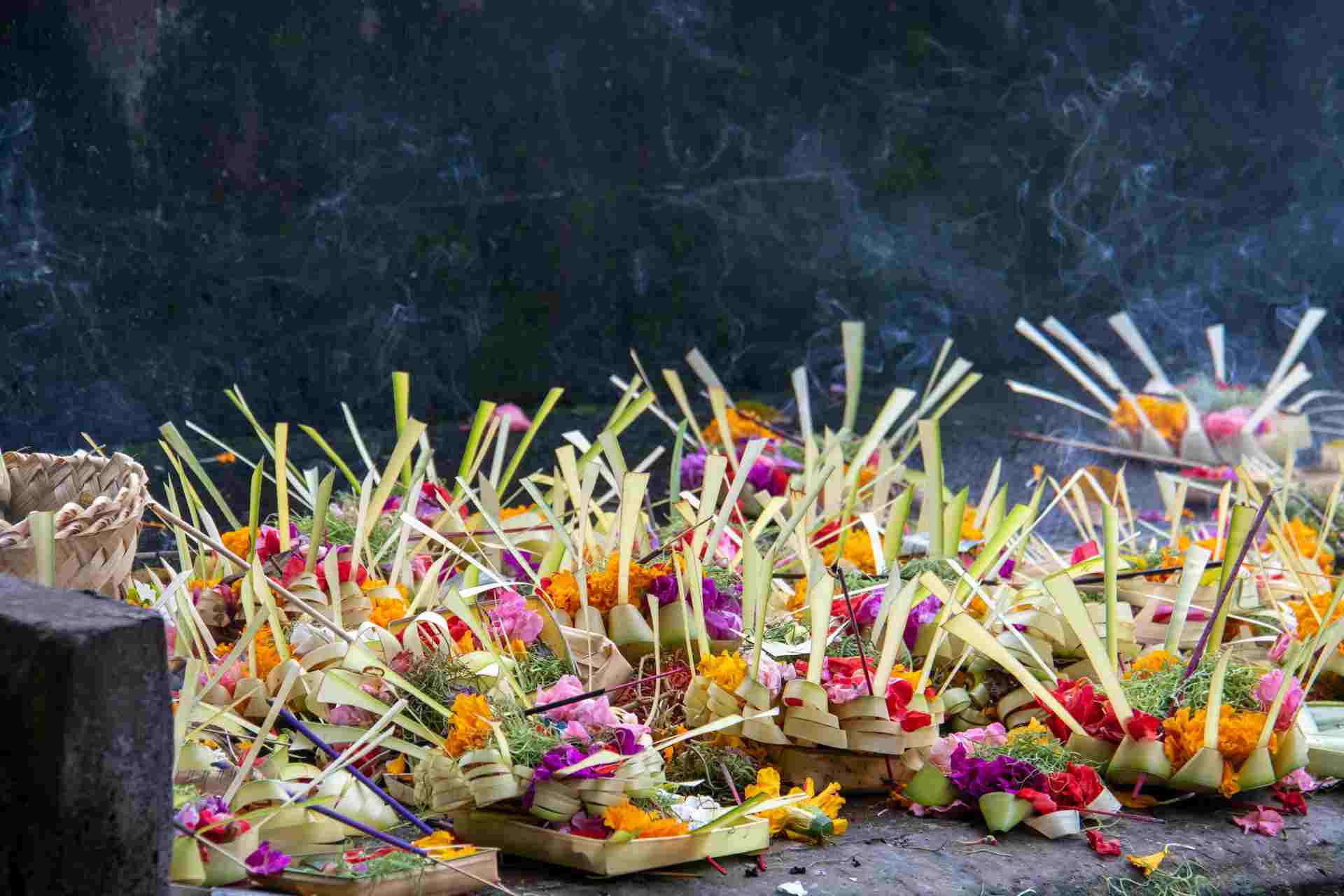
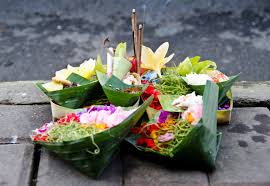
If you’ve ever wandered through the streets of Bali, you’ve likely noticed small, colorful offerings placed on sidewalks, temple altars, or even in front of shops. These delicate creations — made of palm leaves, flowers, and incense — are known as Canang Sari.
To the Balinese, Canang Sari is not just a daily ritual but a sacred expression of gratitude and balance. Each component carries deep spiritual meaning, reflecting the island’s devotion to maintaining harmony between humans, nature, and the divine.
What Is Canang Sari?
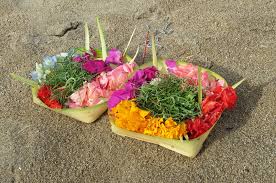
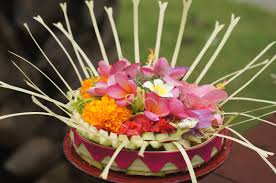
Canang Sari is one of the most essential offerings in Balinese Hinduism. The word “canang” refers to the small palm-leaf tray, while “sari” means essence or the core of something. Together, Canang Sari represents the “essence of an offering” — a token of thankfulness to the gods (Sang Hyang Widhi Wasa).
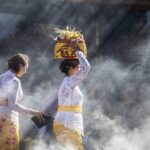
These offerings are made by hand, usually in the early morning, by women in every Balinese household. It’s a form of prayer — a daily reminder of gratitude for life, prosperity, and protection.
The Spiritual Philosophy Behind Canang Sari
The offering embodies the core Balinese philosophy of Tri Hita Karana — the three causes of well-being:
Harmony with God (Parahyangan)
Through offerings, Balinese people show devotion to the divine.Harmony among Humans (Pawongan)
Preparing and presenting offerings strengthens community and family bonds.Harmony with Nature (Palemahan)
Materials used in Canang Sari — flowers, leaves, and bamboo — are all sourced sustainably from nature.
By performing this ritual, the Balinese maintain balance between these three dimensions of life.
The Symbolism of Each Element
Every part of Canang Sari has symbolic meaning and is carefully chosen:
The Base (Ceper):
Made from young coconut or palm leaves, representing sincerity and humility.Flowers:
Each color faces a specific direction, symbolizing different gods:White (East): For Iswara, symbol of purity.
Red (South): For Brahma, symbol of power and passion.
Yellow (West): For Mahadeva, symbol of prosperity.
Blue or Green (North): For Vishnu, symbol of protection and harmony.
Kepeng (Coin):
Represents the material aspect of life and gratitude for prosperity.Sampian (Palm Leaf Decoration):
Symbolizes beauty and artistic devotion — the joy of offering.Incense Smoke:
Carries prayers and gratitude to the heavens.
Together, these elements create a perfect harmony of color, form, and meaning — a reflection of life’s balance and beauty.
When and Where Can You See Canang Sari?
You can see Canang Sari almost everywhere in Bali — on roads, in homes, shops, temples, beaches, and even on vehicles.
They are usually placed twice a day: once in the morning to welcome positive energy, and sometimes in the afternoon as an offering of gratitude for the day’s blessings.
Every day, millions of Canang Sari are prepared across the island, creating an atmosphere filled with devotion and serenity.
The Deeper Meaning: Gratitude in Simplicity
Beyond their physical beauty, Canang Sari carries a deeper message — gratitude.
The Balinese believe that through this simple daily ritual, they acknowledge both the visible and invisible worlds. It reminds everyone to stay grounded, thankful, and aware of the divine energy present in all things.
Even the act of making Canang Sari can be meditative. It’s a moment of mindfulness — where hands and heart work together in peace.
How Visitors Can Show Respect
For travelers, understanding the meaning of Canang Sari adds depth to your experience in Bali.
Here’s how you can show appreciation respectfully:
Don’t step on or over the offerings, especially when they’re placed on the ground.
Avoid touching or moving them unless invited by a local.
When you see someone preparing Canang Sari, smile and observe quietly — it’s a sacred moment.
You may join a workshop to learn how to make one — it’s a beautiful way to connect with Balinese culture.
Conclusion
Canang Sari is a living symbol of Bali’s soul — a blend of art, devotion, and gratitude.
Through these small offerings, the Balinese remind us that peace and balance are not found in grand gestures but in everyday acts of mindfulness and appreciation.
The next time you walk through Bali and see a Canang Sari on the ground, take a moment to pause, breathe, and feel the serenity it brings — a quiet reminder of the island’s timeless harmony.